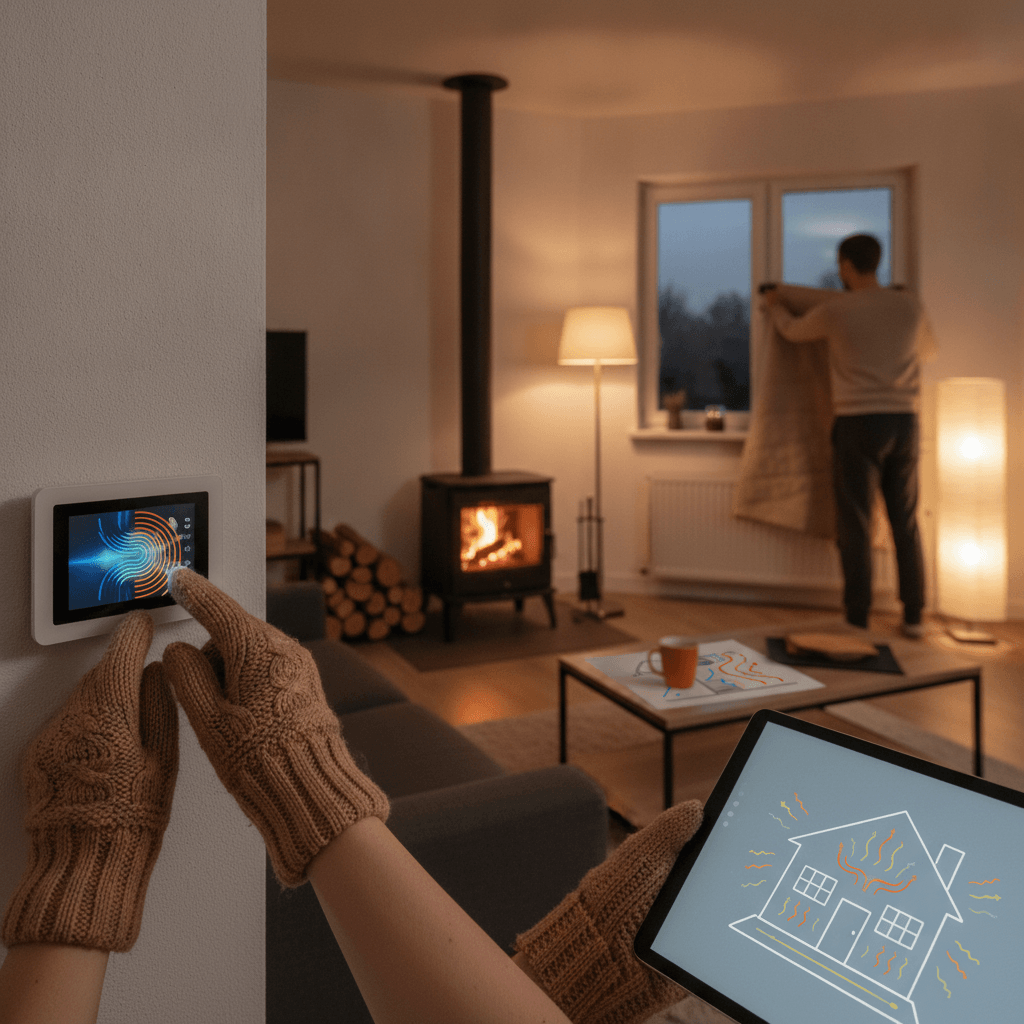
As colder months arrive, I always find myself thinking about how to keep my home warm without breaking the bank. Maintaining optimal home heating performance is more than just turning up the thermostat. It involves a mix of smart choices and proactive strategies that can significantly impact your comfort and your energy bills. I have learned over time that a little effort upfront can lead to big savings and a much cozier living space throughout the season.
Many homeowners overlook the small adjustments that add up to major efficiency gains. From simple DIY tasks to understanding when to call in the professionals, every step plays a role. My goal is to share practical insights that you can use to make your heating system work smarter, not harder. We want your home to be a warm retreat, not a money pit.
Focusing on Home Heating Performance Strategies can transform your winter experience. We can improve our systems by addressing common issues and implementing effective measures. This article will explore key areas to help you achieve consistent warmth and lower energy consumption.
Regular Maintenance: The Foundation of Efficiency
I cannot stress enough the importance of regular heating system maintenance. It truly is the bedrock of efficient home heating. A well-maintained furnace or boiler operates smoothly, uses less energy, and lasts longer. I always schedule an annual check-up for my system before the cold weather hits. This preventive step catches small problems before they become costly emergencies.
During a professional inspection, technicians clean components, check for wear and tear, and ensure everything is calibrated correctly. They look at things like the flame sensor, igniter, and heat exchanger. They also test the thermostat and safety controls. This detailed examination helps prevent unexpected breakdowns when you need your heat the most. It also keeps your system running at its peak.
DIY Checks for Optimal Performance
Even with professional tune-ups, there are simple tasks I perform myself to keep things running well. Replacing air filters regularly is perhaps the easiest and most impactful step. A dirty filter restricts airflow, forcing your heating system to work harder and consume more energy. I usually change mine every one to three months, especially during peak heating season or if I have pets.
Another easy check is to ensure that your vents and registers are open and unobstructed. Furniture, rugs, or curtains can block airflow, creating cold spots and making your system less effective. I walk through my home and make sure all vents are clear. This allows warm air to circulate freely. It is a small thing that makes a big difference.
Optimizing Insulation and Sealing Leaks
Effective insulation is a passive heating strategy that provides constant benefits. It prevents heat from escaping your home in winter and keeps it out in summer. I always recommend checking your home’s insulation levels, especially in the attic and walls. Good insulation keeps the warm air you pay for inside your living spaces.
Beyond insulation, addressing air leaks is crucial. Even minor gaps around windows and doors can lead to significant heat loss. I use caulk and weatherstripping to seal these common culprits. Checking for drafts around electrical outlets and plumbing penetrations is also wise. These small openings can let cold air seep in and reduce your heating system’s effectiveness. Drafts can make a room feel much colder than the thermostat reading.
Finding and Sealing Common Drafts
I find that a simple trick to locate drafts is to light an incense stick or hold a thin piece of tissue paper near windows, doors, and other potential leak spots on a windy day. If the smoke wavers or the paper flutters, you have a leak. Sealing these areas with appropriate materials like caulk for stationary gaps and weatherstripping for moving parts can yield immediate results. Don’t forget the space under exterior doors. A door sweep can easily solve that problem. It improves comfort and reduces heating costs.
Also, I pay attention to older windows that might not seal tightly. Even if they are not leaking much air, they can still lose a lot of heat. Installing storm windows or using heavy curtains can add another layer of insulation. This helps to retain warmth inside. It is a cost-effective way to boost your home’s thermal envelope.
Smart Thermostat Integration for Better Control
Upgrading to a smart thermostat has been one of my favorite Home Heating Performance Strategies. These devices offer much more than basic temperature control. They allow me to program heating schedules, adjust settings remotely, and even learn my family’s habits. This means my heating system only runs when we need it, saving energy without sacrificing comfort.
Many smart thermostats provide detailed energy usage reports, showing you exactly how much heat you are using and when. This data helps identify patterns and areas where you can save even more. I appreciate being able to see the real-time impact of my adjustments. It gives me a sense of control and empowerment over my home’s energy consumption.
Leveraging Features for Maximum Savings
I find that geo-fencing is a particularly useful feature. It uses your phone’s location to know when you are away from home or on your way back. This allows the thermostat to automatically lower the temperature when you leave and warm things up before you arrive. This hands-free approach to energy saving is both convenient and effective.
Another great feature is zone control, often compatible with smart thermostats. If you have a larger home, heating every room equally all the time is often unnecessary. Zone control allows you to heat specific areas independently. This means I can keep the living room warm in the evening and turn down the heat in unused bedrooms. This targeted approach to heating significantly reduces wasted energy.
Understanding Your Heating System Type
Different heating systems have different performance characteristics and maintenance needs. Knowing whether you have a furnace, boiler, heat pump, or radiant heating system is important for effective Home Heating Performance Strategies. Each type requires specific attention to maximize its efficiency.
For forced-air furnaces, the ductwork is a critical component. Leaky or uninsulated ducts can lose a lot of heat before it even reaches your rooms. I always check for gaps and seal them with mastic tape. For boilers, maintaining proper water pressure and bleeding radiators are common tasks. Heat pumps benefit from clean outdoor coils. They need unrestricted airflow for optimal operation.
The Role of Ductwork in Forced-Air Systems
If you have a forced-air system, your ducts are like the veins of your home’s heating system. They carry warm air from the furnace to every room. Over time, these ducts can develop leaks or become disconnected, letting heated air escape into unconditioned spaces like basements or attics. I make it a point to inspect my ductwork for any obvious gaps or tears. Sealing these with foil-backed mastic tape or professional-grade sealant can improve efficiency by up to 20 percent.
Insulating ducts in unheated areas also helps a lot. If your ducts run through a cold crawl space or a hot attic, they can lose heat before the air reaches your living areas. Wrapping these ducts in appropriate insulation keeps the air warm until it gets to where it needs to go. This makes your heating system much more effective overall.
Considering Professional Assessments and Upgrades
While many of these strategies are DIY-friendly, sometimes professional help is essential for Home Heating Performance Strategies. An HVAC professional can conduct a detailed energy audit of your home. They identify areas of heat loss and recommend targeted improvements. This can include anything from sealing ducts to upgrading insulation or even replacing an aging system.
If your heating system is old or frequently breaks down, it might be time to consider an upgrade. Newer models are significantly more energy-efficient than those from even a decade ago. The initial investment can often be recouped through lower energy bills over time. When looking for a professional, it is important to know how to find a top HVAC contractor. A good contractor will offer clear explanations and reliable service.
When to Call in the Experts
I always advise calling an expert if you notice persistent issues like uneven heating, strange noises from your furnace, or unusually high energy bills. These are signs that something might be wrong with your system. A professional can diagnose the problem accurately and perform necessary repairs or recommend appropriate upgrades. Trying to fix complex heating issues yourself can often lead to further damage or safety risks.
They can also help you understand if your current heating system is properly sized for your home. An undersized unit will struggle to heat your home efficiently. An oversized unit will cycle on and off too frequently. Both scenarios lead to reduced comfort and higher energy use. An expert assessment ensures your system matches your home’s needs.
Leveraging Passive Solar Heating and Zoning
Incorporating passive solar heating is a natural and cost-effective strategy. I use my windows to my advantage by opening curtains and blinds on south-facing windows during the day. This allows sunlight to naturally warm my home. When the sun sets, I close them to trap that warmth inside. This simple daily routine contributes significantly to reducing my reliance on my heating system.
Beyond individual room adjustments, thoughtful zoning can make a big difference. As I mentioned earlier, heating every part of your home to the same temperature when some areas are unused is wasteful. Implementing a zoned heating system, either through multiple thermostats or smart vent technology, lets you direct heat only where it is needed. This personalized approach to warmth drastically cuts down on energy use.
Maximizing Natural Heat Sources
Even simple things like opening interior doors can help distribute heat from warmer rooms to cooler ones. If you have a room that gets a lot of sun, letting that warmth radiate to adjacent spaces can be beneficial. I also think about insulation behind electrical outlets on exterior walls. Using inexpensive foam gaskets can block drafts and keep warmth in. These small changes collectively contribute to better overall heating performance.
Considering the placement of furniture is another small but impactful detail. Placing large furniture pieces directly in front of heat registers can block airflow and prevent warm air from circulating effectively. I make sure that all my heat registers have clear space around them. This allows the warm air to flow freely into the room and ensures that my heating efforts are not wasted.
Conclusion: Achieving a Warmer, More Efficient Home
Improving your home heating performance is a journey that involves a blend of awareness, proactive maintenance, and smart technological adoption. From the crucial annual professional tune-ups that keep your system healthy to the simple act of changing your air filters regularly, every step you take contributes to greater efficiency. I have found that paying attention to these details not only lowers my energy bills but also creates a more consistent and comfortable living environment. Sealing up drafts and ensuring proper insulation are passive yet powerful strategies that prevent valuable heat from escaping. Upgrading to a smart thermostat gives you incredible control, allowing your heating to adapt to your lifestyle seamlessly. Understanding your specific heating system and its unique needs helps you tailor your maintenance and usage for optimal results. Thinking about how you can leverage natural sunlight or zone your heating effectively can further reduce your energy footprint. All these Home Heating Performance Strategies work together to make your home a truly warm and efficient space. I encourage you to start implementing these strategies today. You will feel the difference in comfort and see the savings in your wallet.